
Hidden Places in Budapest, Hungary
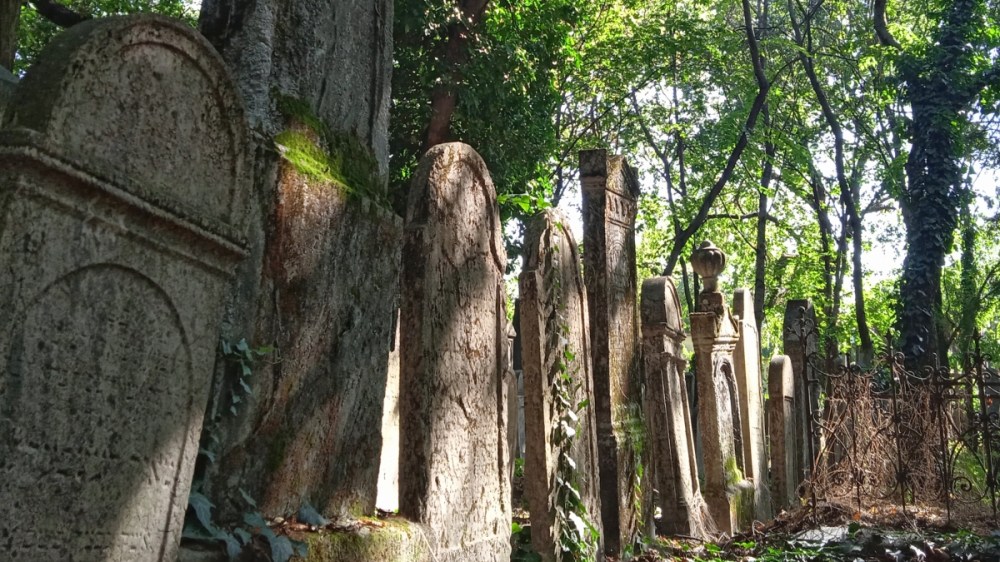
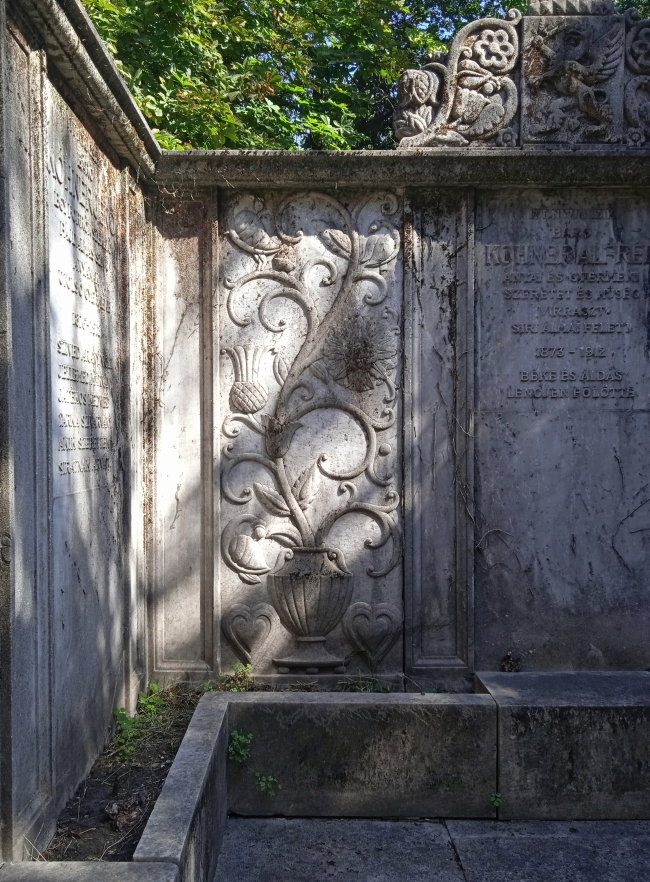
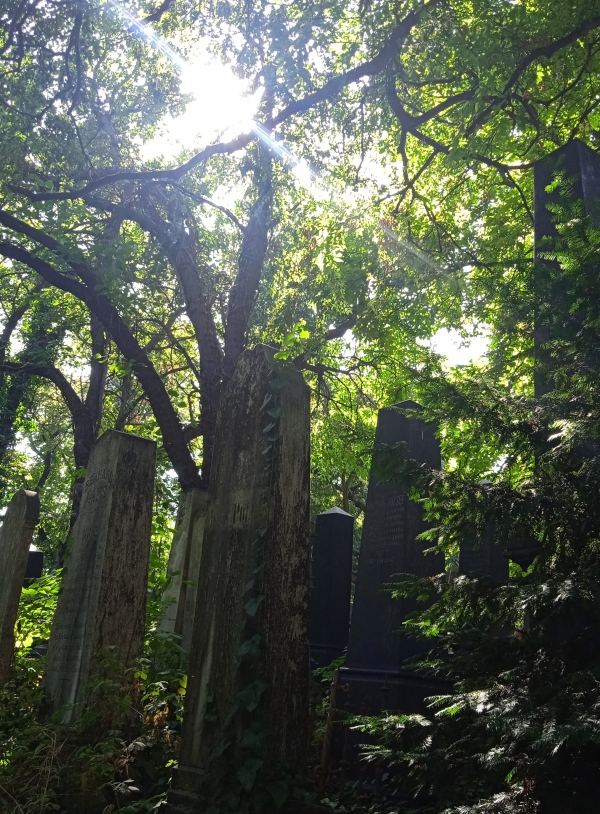
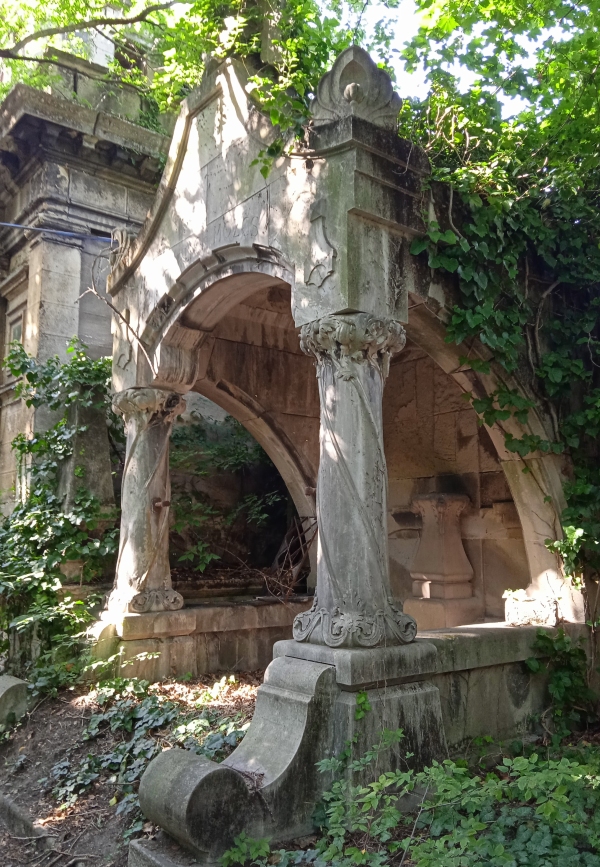
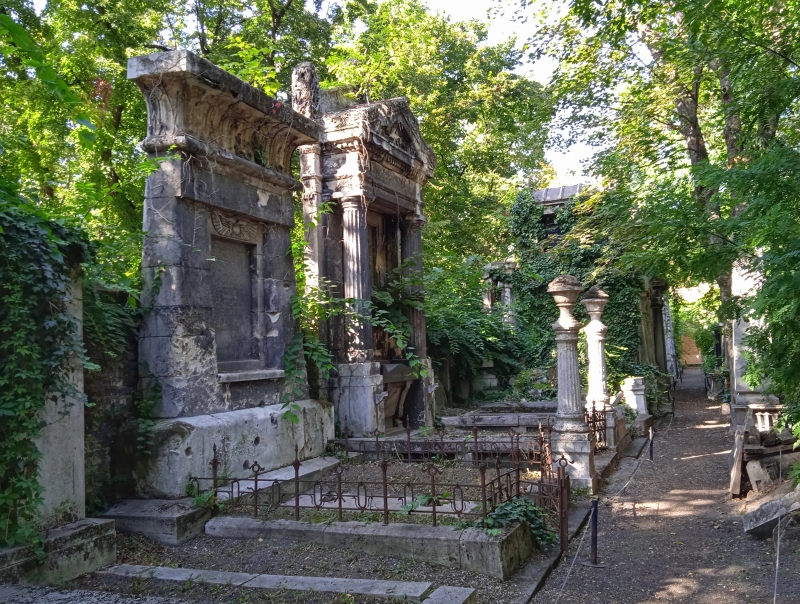
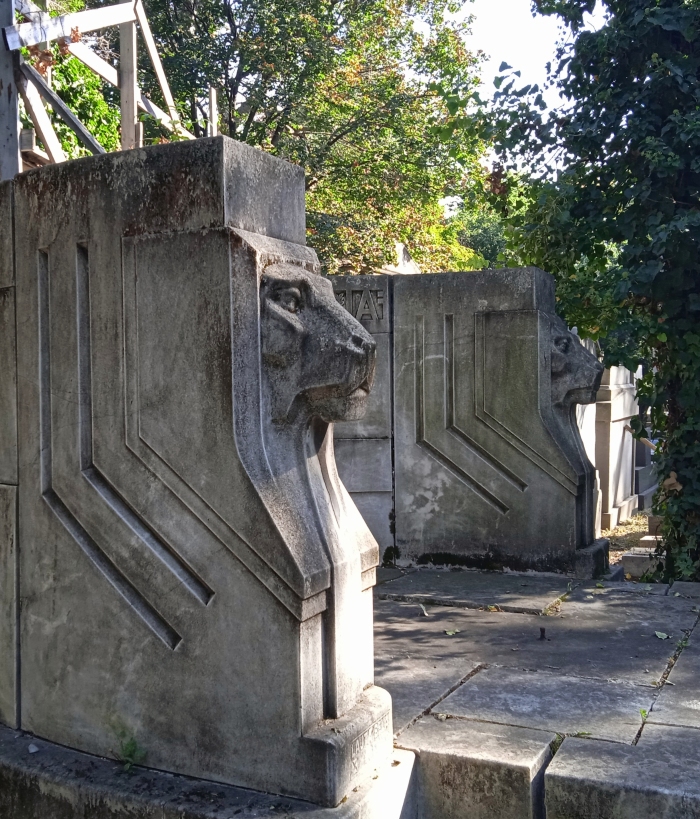
One of Budapest’s most unique cemeteries, preserving important memories of the history of Pest’s Jewish community and standing as an outstanding example of Art Nouveau architecture.
Address: 1087 Budapest, Salgótarjáni 3.
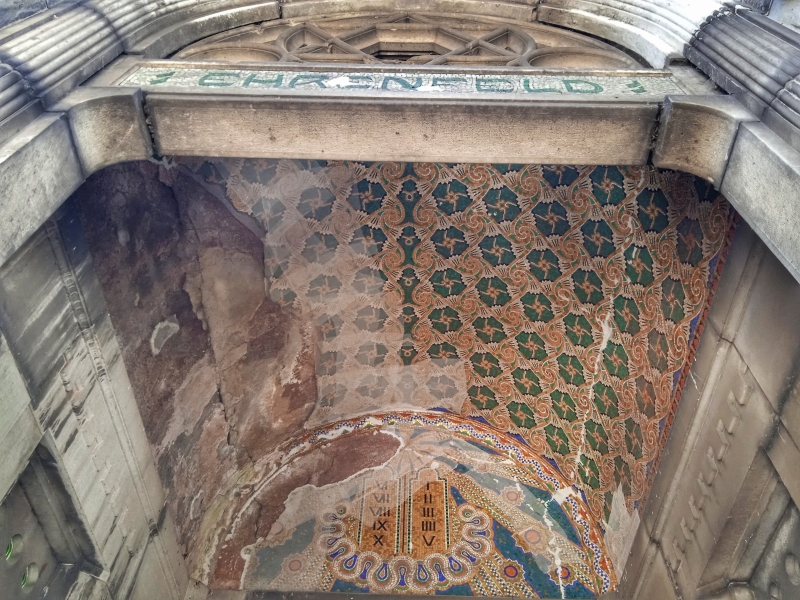
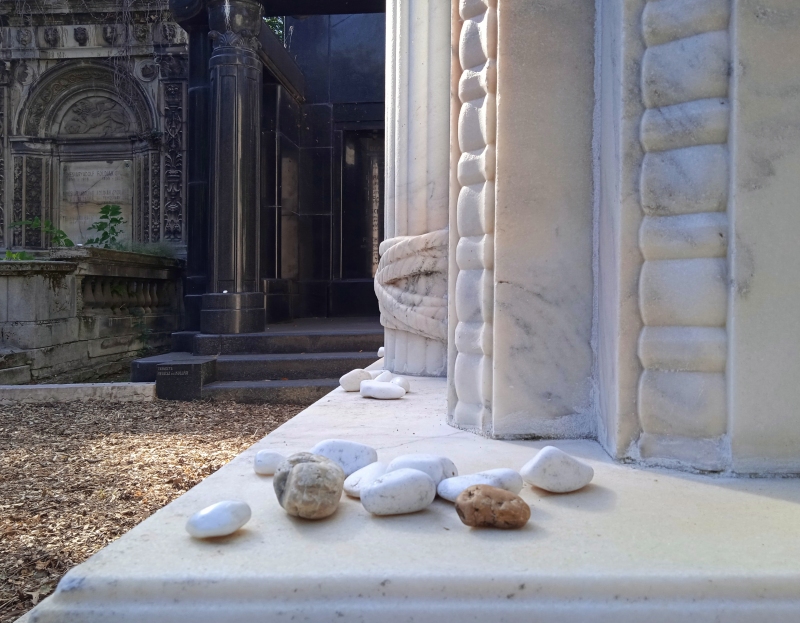
In 1872 the city of Pest and the Israelite Community reached an agreement whereby a section of the Kerepesi Road public cemetery would be designated for use as a Jewish burial ground. Thus, in 1874, the Salgótarjáni Street Jewish Cemetery was opened, becoming the burial place of the Neolog community and the final resting place of many prominent members of Pest’s Jewish population. The cemetery’s buildings were designed in the spirit of Art Nouveau by Béla Lajta.
During the Second World War, the dead of the Budapest ghetto were also brought here, but from late 1944 the cemetery could no longer be used because of the siege. Burials resumed in 1945, but from the 1950s onward the cemetery was used less and less. From the 1960s its condition steadily deteriorated, until it was declared a historic monument in 2002. Since 2016 it has been managed by the National Heritage Institute, which has made part of it accessible to visitors.
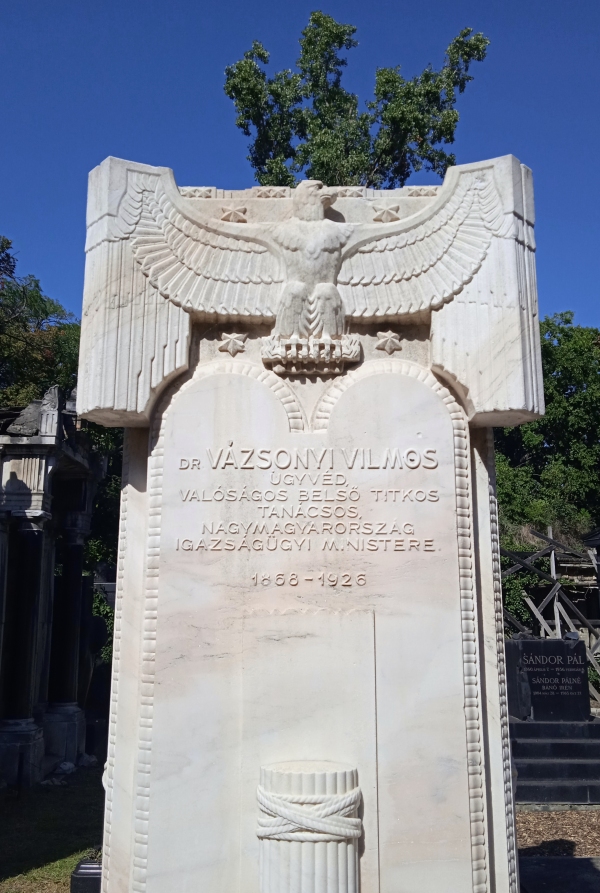
The grave of banker Mór Wahrmann also stands here. There’s a good anecdote about him: once he had a serious quarrel with the politician and natural scientist Ottó Herman. The matter escalated into a duel, made somewhat difficult by the fact that Wahrmann could hardly see, while Herman was hard of hearing. Wahrmann asked his seconds, “Where is the goy standing?”, and Herman asked, “Has the Jew fired yet?”

 roziutazik.hu