
One of Hungary’s most picturesque small towns, Kőszeg, together with its surrounding countryside, offers the perfect combination of history, nature, and cultural experiences. Attractions, tips, and local curiosities all in one place to make your trip to western Hungary truly unforgettable!
- 1. Medieval Main Square
- 2. Jurisics Castle
- 3. Ibrahim
- 4. The Poncichters
- 5. Self-Service Local Producers
- 6. School On The Border
- 7. Írott-kő On The Border
- 8. Velem
- 9. Cák Wine Cellar Street
- 10. Léka (Lockenhaus)
1. Medieval Main Square
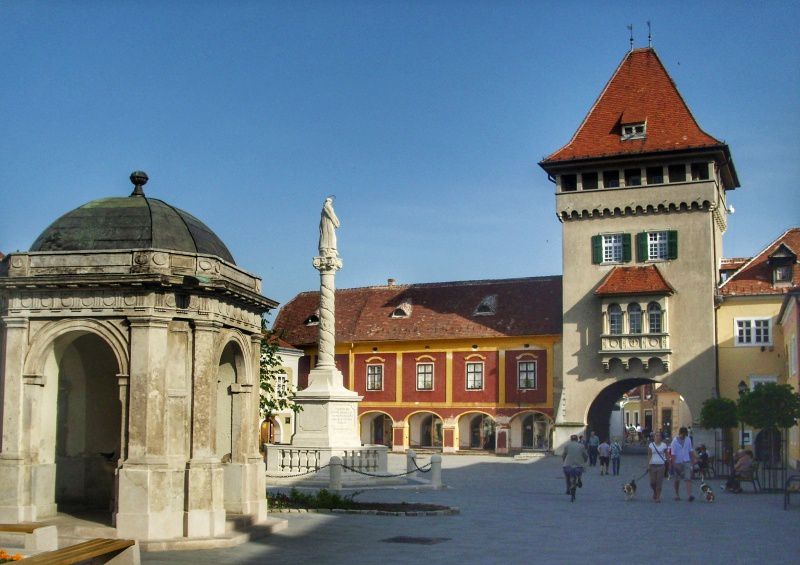
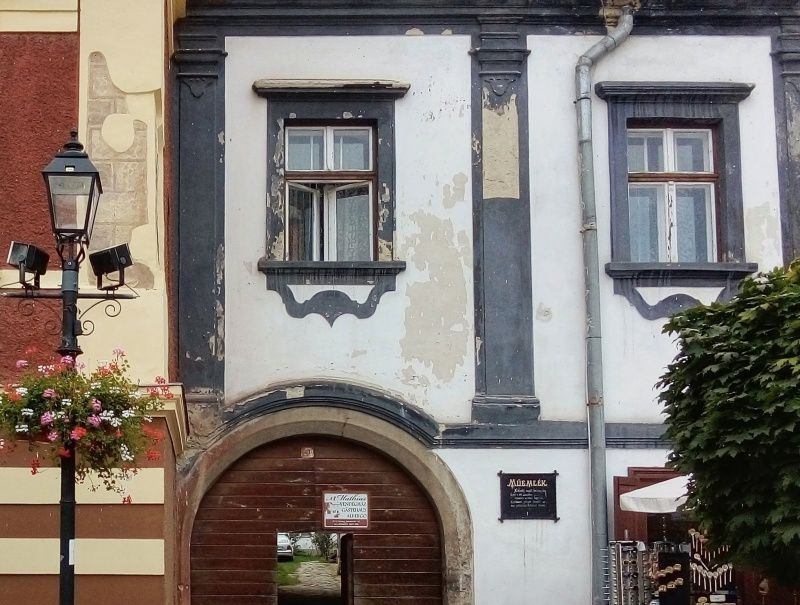
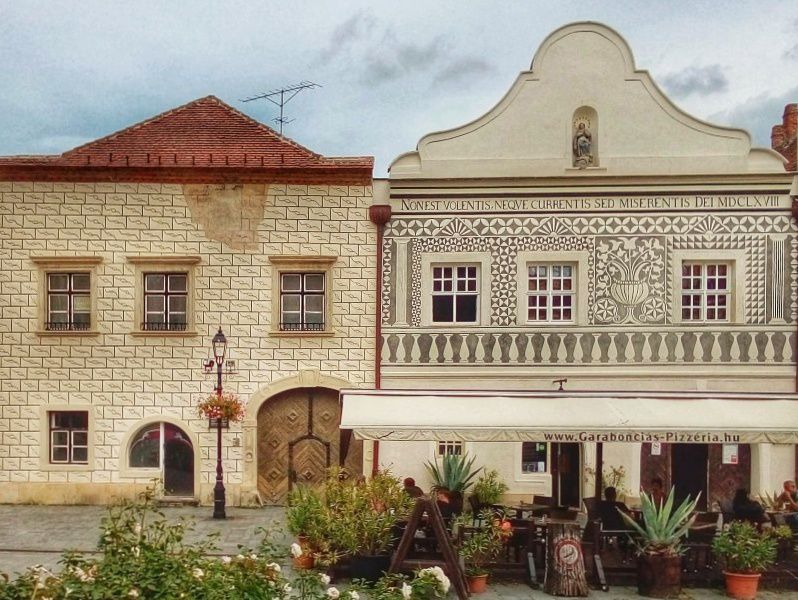
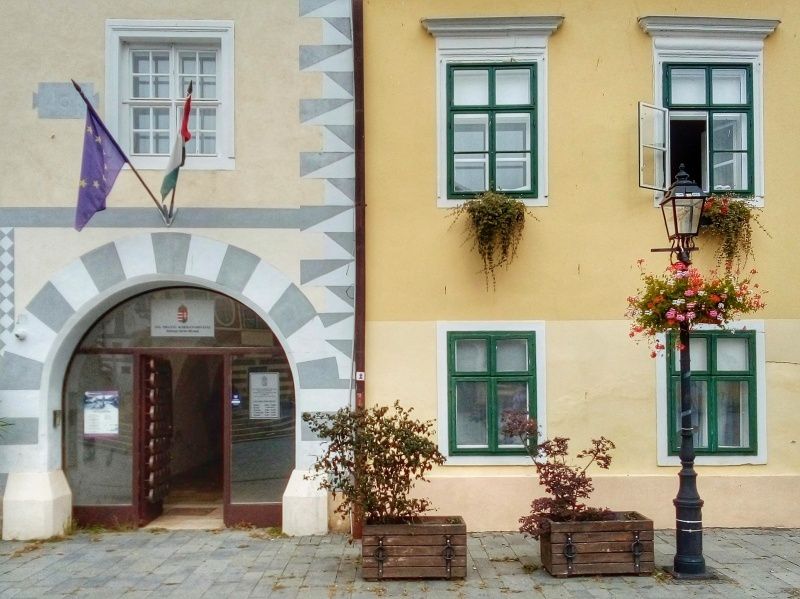
Officially named Jurisics Square, this is the historical center of Kőszeg, a former marketplace that once served as the forecourt of the castle. Around Jurisics Square, you can find numerous valuable, protected buildings, including the Renaissance Sgraffito House, the City Well built in 1766, the Holy Trinity Statue, the Heroes’ Gate, and the Golden Unicorn Pharmacy Museum.
2. Jurisics Castle
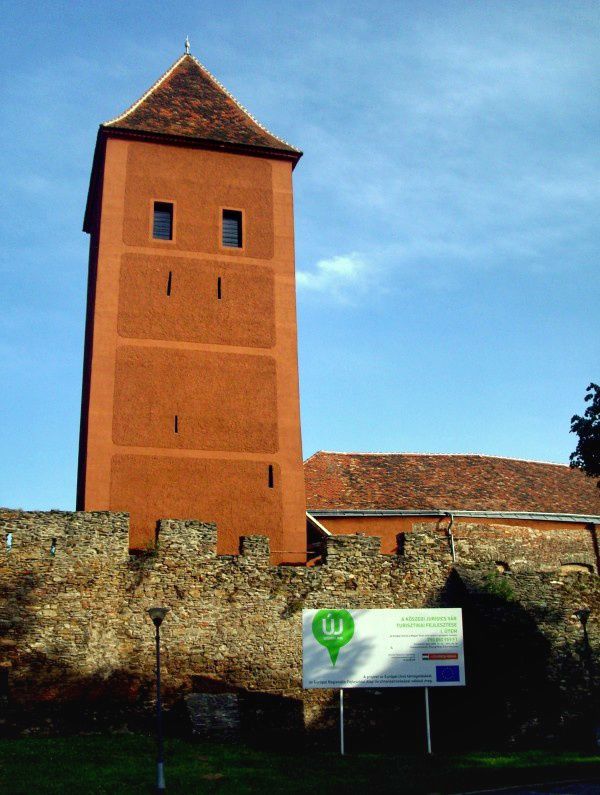
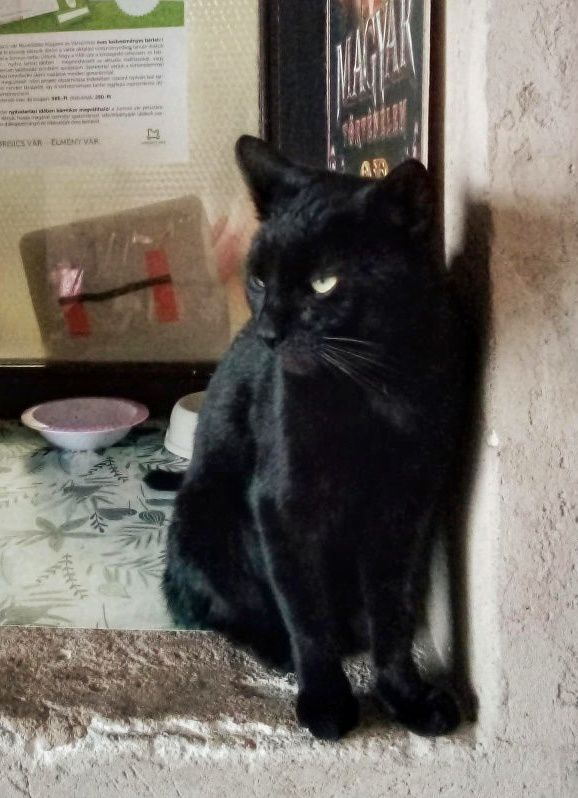
In 1532, the Ottoman forces, led by Suleiman the Magnificent, laid siege to Kőszeg. The castle was defended by Captain Miklós Jurisics and his small troop, and thanks to their heroic resistance, the Ottomans failed to capture it. According to legend, when the Turks finally retreated, the bells of Kőszeg rang at 11 a.m. to signal the victory. In commemoration, the bells in Kőszeg still ring every day at 11 a.m. Today, the castle is guarded by two black cats, Fruzsi and Bagira, who are permanent residents of the courtyard. Since 1982, the Kőszeg Castle Theatre has been operating within the castle.
3. Ibrahim
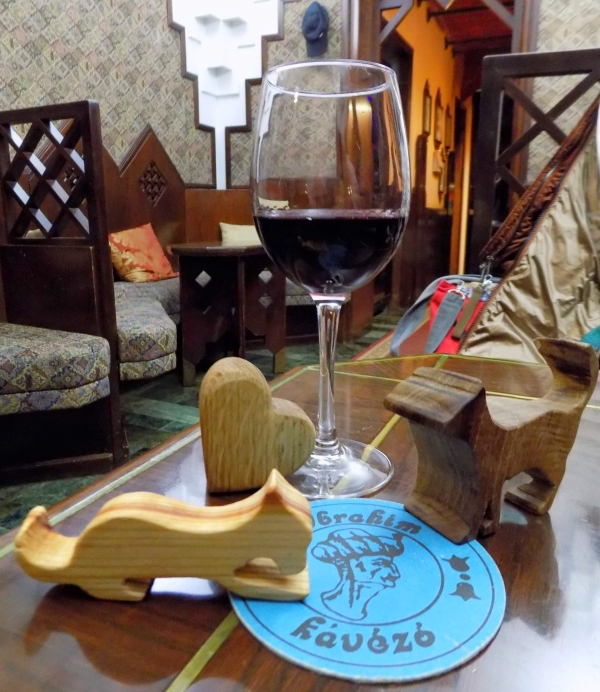
The Turks may have left, but coffee stayed. Ibrahim Café, located at 17 Fő Square, has been a reliable stop for Kőszeg visitors for decades.
4. The Poncichters
These are definitely wine taverns – specifically, Kisponci and Nagyponci. While today the term refers to these two pubs, the old Kőszeg poncichters were German-origin vine growers and winemakers. The word poncichter itself comes from the German Bohnenzüchter (bean cultivator), because the winemakers also grew beans between the vine rows. Beans didn’t shade the vines, improved soil quality, and were an important food source for families. The poncichters were particularly influential in Kőszeg during the 18th–19th centuries, though winemaking in the area has a long tradition dating back to the Middle Ages. The two most typical local grape varieties are Kékfrankos and Zweigelt.
Poncichter Borozó = Nagyponci, Kőszeg, Várkör 56, 9730; Kis Poncichter Borozó = Kisponci, Kőszeg, Rajnis u. 10, 9730
5. Self-Service Local Producers
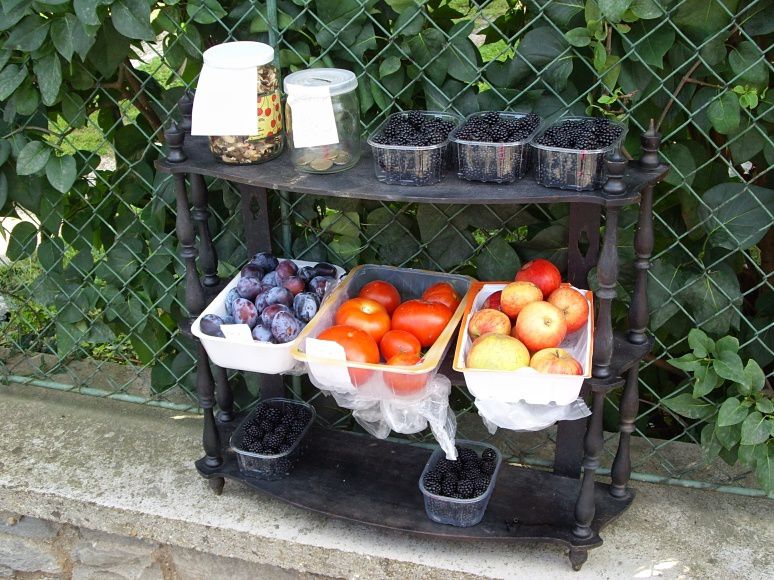
The tradition of self-service local vendors is built on community trust: locals offer their own produce – vegetables, fruits, and flowers – outside their homes. Buyers drop the payment into a provided collection box. The system works surprisingly well and is a common practice not only in Kőszeg but also in the surrounding villages..
6. School On The Border
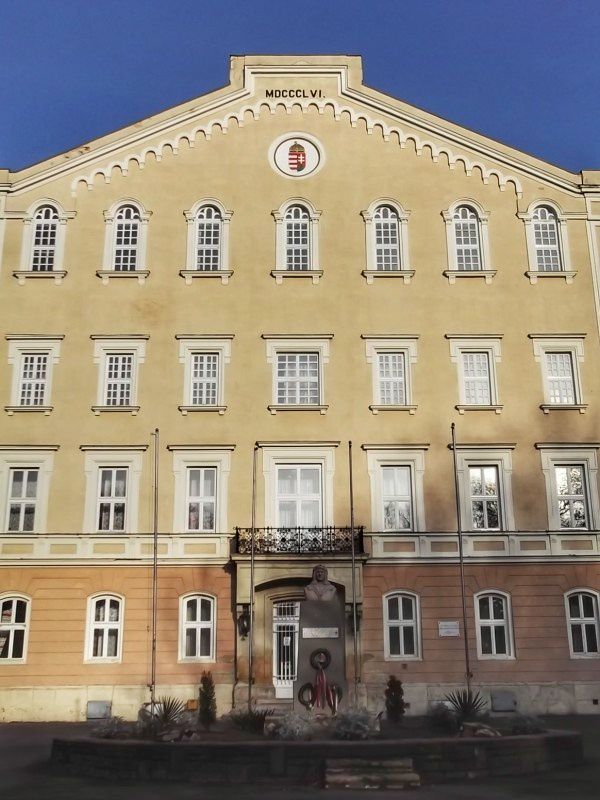
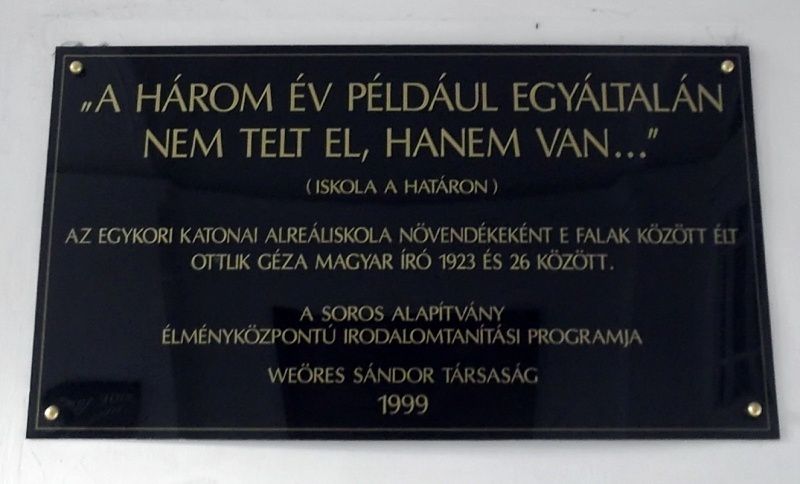
The military preparatory school in Géza Ottlik’s novel School On The Border, which is one of the most significant works of 20th-century Hungarian literature, is based on real foundations: the story takes place within the walls of the Kőszeg Defense Training Institute, where the author himself was a student in the 1930s. The town is therefore special not only for its picturesque beauty but also for its literary-historical significance. The novel’s grim, disciplined world and the institution’s austere buildings still evoke the strict educational ideals of the era, as well as the inner struggles of adolescent boys.

7. Írott-kő On The Border
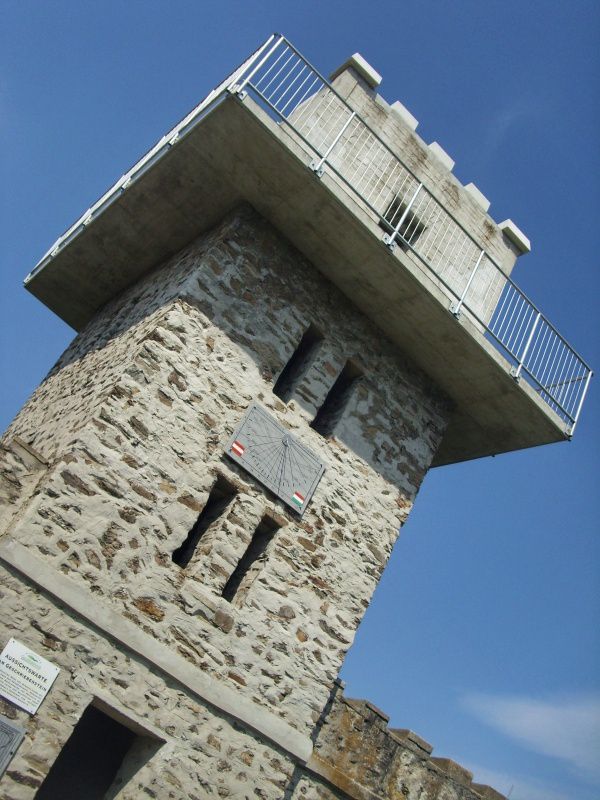
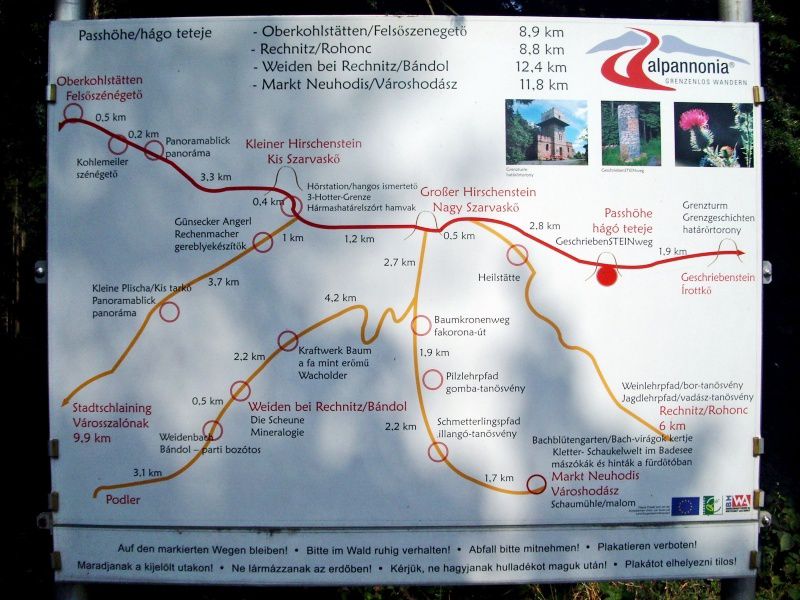
Írott-kő (Geschriebenstein) is the highest point of the Kőszeg Mountains, as well as of Transdanubia and Burgenland, standing at 884 meters. Its name comes from an inscribed border stone that marked the boundary between the Esterházy and Batthyány estates. The stone lookout tower at the summit was built in 1913; interestingly, the tower stands on the Hungarian side, while its entrance opens from Austria. Írott-kő is the western terminus of the National Blue Trail, the centerpiece of the Írottkő Nature Park, and part of the Alpannonia hiking route, which stretches from Semmering to the vineyards of Kőszeg.
8. Velem
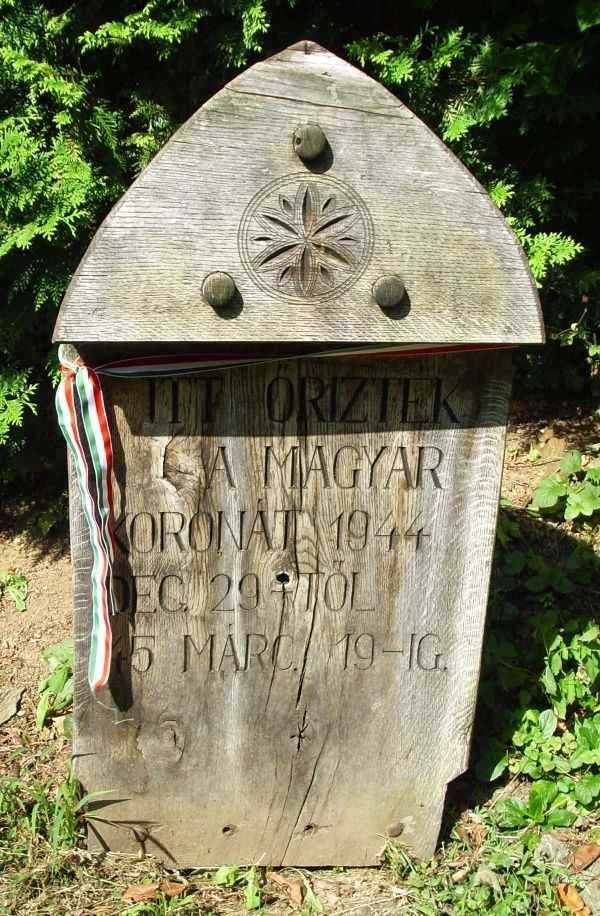
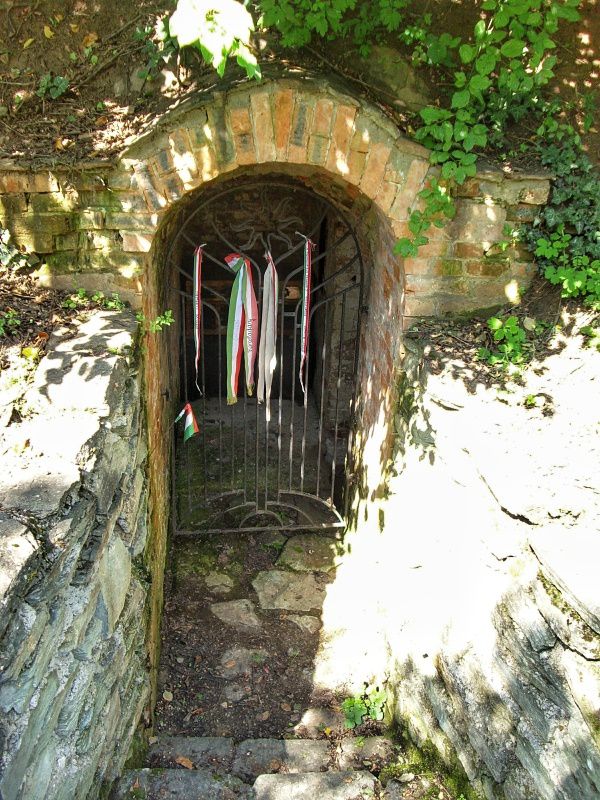
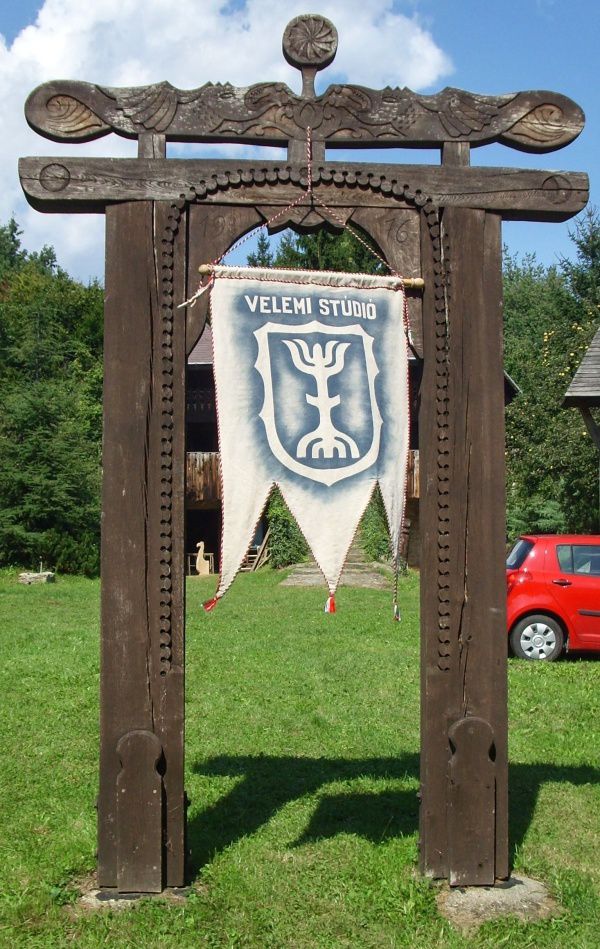
Velem is a village nestled at the foot of Szent Vid Hill, known for the Szent Vid Chapel, its woodcarving traditions, the Velemi Studio (an artist colony and folk art workshop), and the chestnut festival. And of course, for Mari Törőcsik. One of Hungary’s most famous actresses bought a peasant house in the village in 1973, where she initially spent her summers and later made her permanent home in her later years. Another notable fact about Velem is that at the end of World War II, between December 27, 1944, and March 19, 1945, the Hungarian Holy Crown was kept here.


9. Cák Wine Cellar Street
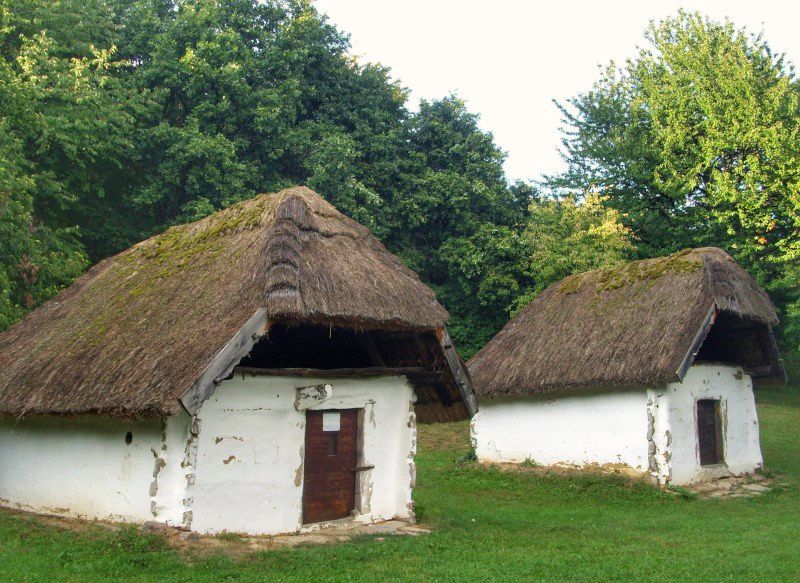
Cák, a small village just a few kilometers from Kőszeg, lies north of Velem at the foot of the Kőszeg Mountains. The famous Cák Wine Cellar Street was built in the 18th–19th centuries and was primarily used for storing chestnuts and other fruits. The area is known for its sweet chestnut groves, and chestnuts were a staple food for the locals. The cellars, constructed from wooden beams, typically feature thatched roofs.
10. Léka (Lockenhaus)
Léka (Lockenhaus) Castle was built in the early 13th century and was one of the significant fortresses of medieval Hungary. It is located west of Kőszeg, just across the border in Austria. The castle’s history is closely intertwined with the major noble families of western Hungary: it was owned by the Csák, Kőszeg, Kanizsai, Nádasdy, and later the Esterházy families. The castle withstood the Mongol invasions, played an important role in the Austrian–Hungarian border conflicts, and in 1605 it was unsuccessfully besieged by the Ottomans. Today, Léka Castle houses a museum, a restaurant, and a hotel. Below the castle lies the Burgteich, its castle pond, where carp, perch, pike, and catfish live happily – until they are caught.

 roziutazik.hu